
Part D drug lists
Medicare Part D Formularies and Drug Tiers Explained
Finding a drug on the formulary is only the first step. The exact strength, formulation, tier, coverage restriction and pharmacy determine how the prescription is likely to work under the plan.
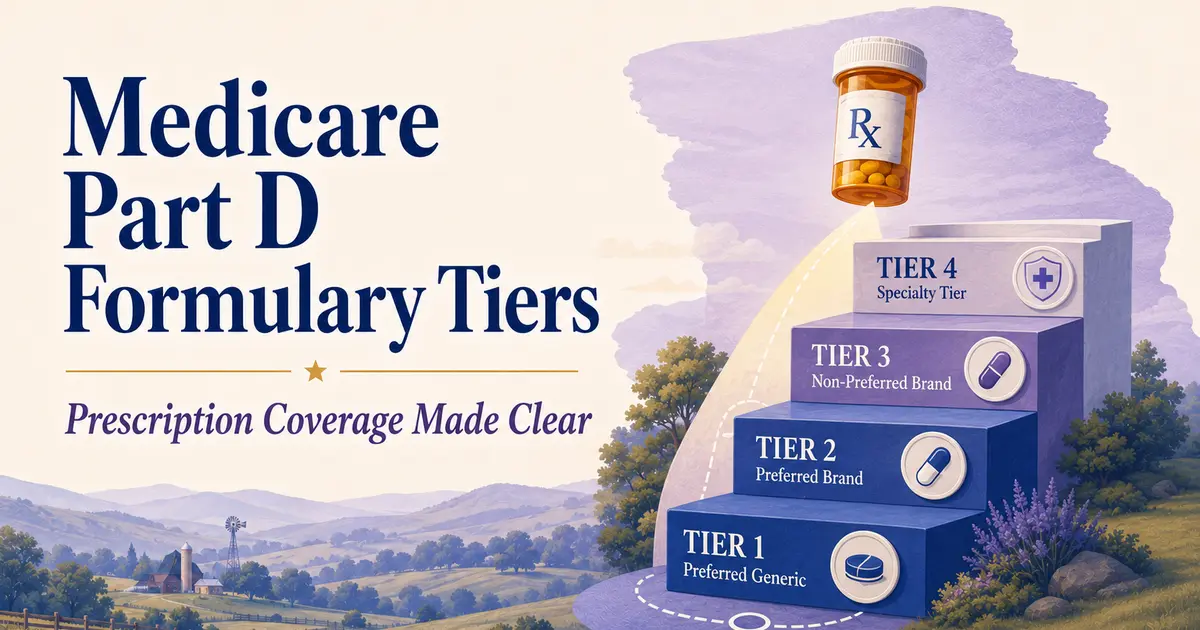
Quick answer: A formulary is a Part D plan’s list of covered drugs. Plans place covered drugs into tiers that generally affect cost sharing. Because every plan designs its own formulary within Medicare rules, the same prescription can be covered differently by two plans.
What Information Should You Match?
- Drug name, including whether it is brand, generic, biological product or biosimilar
- Strength, such as the number of milligrams
- Form, such as tablet, capsule, injection, inhaler or extended-release version
- Quantity and refill frequency
- The medical indication when Part B versus Part D coverage may depend on how or where it is administered
A plan can cover one strength or formulation differently from another. Use the prescription label or prescriber’s medication list rather than memory alone.
What Does a Drug Tier Mean?
Plans use tiers to group covered drugs. Lower tiers generally have lower cost sharing, but tier names and the number of tiers vary by plan.
| Common tier concept | What it may contain | What to remember |
|---|---|---|
| Preferred generic | Frequently used generic drugs selected for lower cost sharing | A generic is not automatically on the lowest tier in every plan. |
| Generic | Other covered generic medications | Cost may differ by pharmacy and whether the deductible applies. |
| Preferred brand | Brand-name drugs for which the plan offers relatively favorable coverage | Preferred does not mean inexpensive for every member. |
| Non-preferred drug | Covered drugs with less favorable plan placement | Higher copayments or coinsurance may apply. |
| Specialty | High-cost or complex medications | Coinsurance and specialty-pharmacy rules may matter. |
Which Formulary Details Can Change the Outcome?
Prior authorization
The plan asks for clinical information or confirmation before it covers the medication.
Step therapy
The plan expects one or more preferred options to be tried before the requested drug.
Quantity limit
The plan limits the covered amount unless an exception is approved.
Pharmacy rule
Some drugs require a specialty pharmacy, and the same tier can produce different costs at preferred and standard pharmacies.
Use the separate guide to Part D plan restrictions when the formulary shows PA, ST or QL.
Can a Formulary Change During the Year?
Yes, subject to Medicare rules. Plans may make certain changes when a drug is removed from the market, replaced by a generic or biosimilar, or changed for other permitted reasons. Notice requirements and transition protections depend on the circumstances.
If a medication is affected, read what to do when a plan no longer covers a prescription. The solution might be a covered alternative, corrected claim, transition fill, coverage determination, formulary exception or appeal.
Do not stop, ration or substitute a medication because of a coverage notice without speaking with the prescriber.
How Should You Use a Formulary When Comparing Plans?
- Search every medication separately using exact prescription details.
- Record the tier and every restriction displayed.
- Compare the same prescription at each workable pharmacy.
- Review the projected annual cost, not only the first fill.
- Keep a copy of the plan’s current formulary and Evidence of Coverage.
Part D Formulary and Tier Questions
Does every Part D plan use the same formulary?
No. Plans must meet Medicare coverage requirements, but each plan chooses its covered-drug list, tier structure and permitted restrictions.
Does a lower tier always mean a lower final price?
Generally lower tiers have more favorable cost sharing, but the deductible, pharmacy status and plan design can still change what you pay.
Can I request a lower copayment tier?
A plan may allow a tiering exception for some drugs, but not every drug or tier is eligible. Follow the plan’s coverage-determination instructions and involve the prescriber when clinical support is required.
What if my drug is not on the formulary?
Ask about covered alternatives and whether a formulary exception is appropriate. A formal unfavorable decision can be appealed using the directions in the notice.
Why does the exact dosage matter?
Different strengths, formulations and quantities may have different formulary placements or restrictions, even when the drug name is similar.
More Medicare guidance
Related Articles
Independent Medicare guidance
Compare Part D Coverage Using Your Actual Prescriptions
Thompson Medicare Brokerage helps people in Missouri and Illinois compare the Medicare plans we represent using their medications, dosages, pharmacies and expected yearly costs. Consultations are no-cost and no-obligation.
Thompson Medicare Brokerage is a non-government insurance agency. This page provides general educational information and is not medical advice. Plan availability, formularies, pharmacy networks, premiums, cost sharing, restrictions and enrollment rights vary by plan, location and year. Check current plan documents and official Medicare information.